


Refund policy for merging banks: Who's on the priority list?
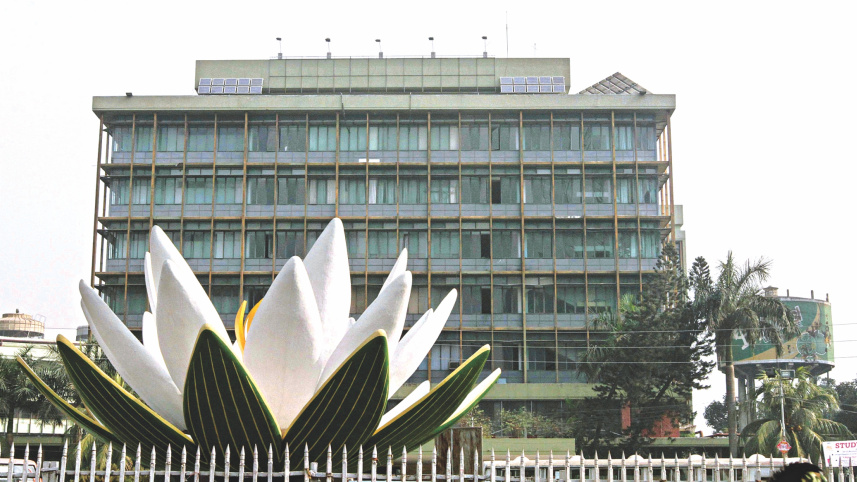
The Bangladesh Bank (BB) today introduced a comprehensive Bank Resolution Scheme, setting out who will get priority access to deposits at the five merging shariah-based banks and how remaining funds will be refunded over time.
The scheme also affects staff at the five merging banks, who may face changes to their service conditions and benefits under the new structure.

Under the scheme, small depositors are given the highest priority. Individuals with balances of up to Tk 200,000 are fully protected and may withdraw their money at any time from the scheme's effective date.
Special consideration has also been extended to vulnerable individuals. Depositors suffering from cancer or requiring kidney dialysis will face no withdrawal restrictions, regardless of the size of their deposits, according to the refund framework.
Certain institutions have been placed next in the priority order. Educational and religious institutions, hospitals, provident and gratuity funds of employees, joint venture companies, multinational companies, banks and financial institutions under resolution, and foreign embassies will be allowed to gradually resume normal transactions.
Depositors with balances exceeding Tk 200,000, however, will not have immediate access to their full funds.
After the first Tk 200,000, additional amounts will be released in tranches of Tk 100,000 every three months. Depending on the size of the deposit, full access may take up to 24 months.
For fixed and term deposit holders, the scheme provides for automatic renewals upon maturity. Three-month deposits will be renewed three times, while deposits with tenors between one and two years will be converted into three-year term deposits.
In several cases, the profit rate on deposits will be set at one percentage point below the bank rate, which may be lower than the rates originally offered by the banks.
A separate arrangement applies to institutional deposits held by banks and financial institutions. Fixed deposits amounting to about Tk 7,500 crore will be converted into Class-B shares of the Sammilito Islami Bank PLC – the state-owned bank set to be formed by merging the five failing banks.
Deposits held by other institutions and trusts will also be partly converted into shares, with the possibility of dividend income in the future.
Employee Uncertainty
The resolution scheme also carries major implications for employees of the five merging banks – EXIM Bank, First Security Islami Bank, Global Islami Bank, Social Islami Bank and Union Bank – who have been transferred to Sammilito Islami Bank.
The board of directors has the authority to re-determine service conditions and reduce benefits, and employees are not permitted to object to these changes.
Those who do not wish to stay may resign and receive all benefits under existing rules. Employees found guilty of fraud may be dismissed without further explanation.
The scheme also sets out the roles and responsibilities of Bangladesh Bank, the government and other relevant authorities in the resolution process. It introduces a structured decision-making mechanism to ensure transparency and accountability while resolving distressed banks.
The scheme stated that the five merging banks were involved in widespread irregularities, including fraud, and that the former boards of directors of these banks failed to establish good governance.
Despite liquidity support from the central bank for more than a year, the financial condition of the lenders continued to deteriorate, prompting Bangladesh Bank to declare them non-viable under the Bank Resolution Ordinance 2025 and appoint administrators.
 For all latest news, follow The Daily Star's Google News channel.
Comments