


Cafe attack dents country's image

The Gulshan terror attack will leave a negative impact on exports and foreign investment as many traders and entrepreneurs have postponed their travel and investment plans in Bangladesh following the incident, said a top leader of Italy-Bangladesh Chamber of Commerce and Industry (IBCCI) yesterday.
Of the 20 victims of the cafe attack on July 1, nine were Italian, mainly garment traders.
 For all latest news, follow The Daily Star's Google News channel.
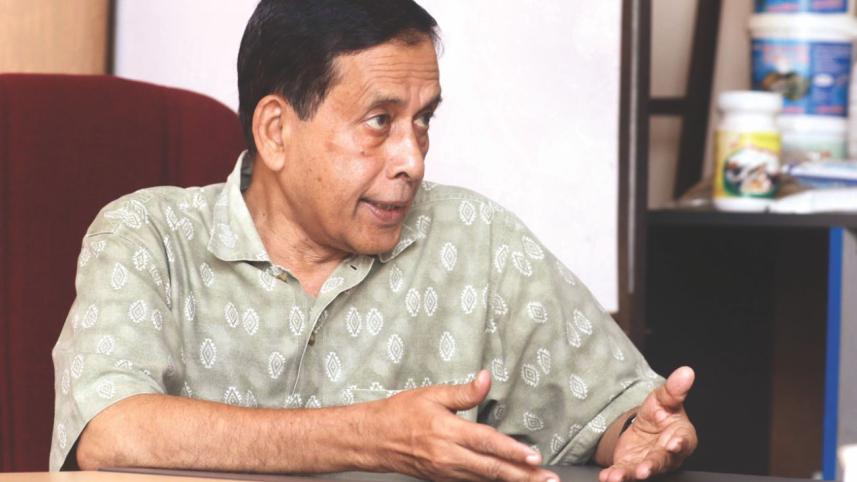
 “Killing of some of our long-time Italian friends does not send a good message for our exports to Italy or their investment in Bangladesh,” said Muhammad Golam Mustafa, first vice-president of IBCCI, in an interview at the chamber office in Dhaka.
The immediate impact is that many Italian retailers have cancelled their trips to Bangladesh, while the main export item from Bangladesh to Italy is garment, he added.
Many factory owners will lose a good number of work orders. “This will impact Bangladesh's employment, trade and finally, the economy,” he said.
A negative impact can also be seen in the restaurant business in Gulshan and Banani, as the number of guests, mostly foreigners, has dropped significantly.
Nearly a hundred restaurants and cafes opened in and around Gulshan and Banani in the last couple of years as the inflow of foreigners has been increasing due to higher international trade and diplomatic engagements, he said.
Tourism and hotel business will also suffer for the attack, as many European travellers will shy away from Bangladesh for security reasons, Mustafa said.
Italy is Bangladesh's sixth largest single country export destination after the US, Germany, the UK, Spain and France.
Bangladesh exported goods worth $1.39 billion to Italy in fiscal 2015-16, with 0.24 percent growth year-on-year.
Bangladesh mainly exports apparel items, home textiles, agro-processed food items, frozen foods, leather and leather goods, footwear, raw jute and jute goods and bicycles to Italy.
Apart from business, the Italian people have been trusted friends of Bangladesh for a long time now. Some of the Italian victims were involved in social activities as well.
Mustafa mentioned the names of two Italian victims during the interview -- Nadia Benedetti and Claudia Maria D'Antona, two garment traders.
“I did not know them personally, but I heard they had a good reputation in business and social activities.”
Claudia was passionate about social services for the poor slum dwellers in Dhaka, he said.
IBCCI was established in 2007 with a view to increasing business relations between the two countries. However, many Italians and Bangladeshis are not members of the chamber, although they have business between the two countries, said Mustafa.
As a result, many are not known by the chamber leaders, although they represent their own countries and enterprises, he added.
A few thousand Italian citizens live in Bangladesh as they are engaged in different business activities, or are here as experts and employed in different government projects.
The attack tarnished Bangladesh's image in Italy, even for the thousands of Bangladeshis currently living in the European country.
“We, from the chamber, have contacted different government bodies and agencies both in Italy and Bangladesh to work and continue normal business relations between the two countries,” he said.
But the chamber will not be capable of changing things so rapidly, he said. The IBCCI may send trade delegations to Italy to hold talks with different trade bodies and government agencies for continuing normal business relations in the near future.
Mustafa, who used to export fishes to Italy, said Bangladesh should keep in mind that Italy is a promising market as demand for Bangladeshi garment items is high among their Italian customers.
So, reviving the country's image should be the first priority for long term business ties between the two countries, he said.
Bangladesh also imports a lot of capital machinery, especially for the textile and garment sector, from Italy, Mustafa said.
Comments