


Cambodia tests Asean
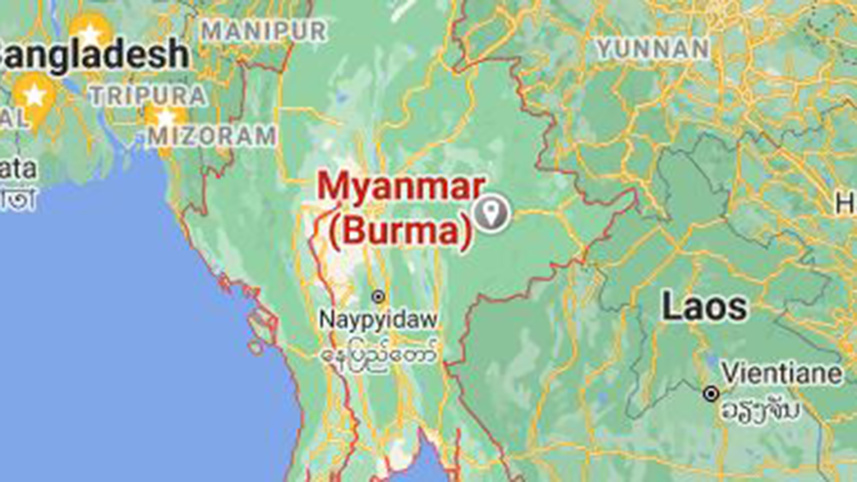
As Cambodia prepares to assume the chairmanship of the Association of Southeast Asian Nations (Asean) next year, Prime Minister Hun Sen is splitting with most of the bloc by looking to bring Myanmar's military leadership into the fold.
Since the military coup on February 1 in Myanmar, most Asean states have condemned the new government, notably blocking its attendance at both the Asean Summit in October and the Asean-China Summit in November due to the leadership's "insufficient progress" on carrying out a peace plan agreed with the regional bloc earlier this year.

But, despite concerns expressed by other Asean states, Hun Sen is now touting engagement with the military, also known in Myanmar as the Tatmadaw, as the best way forward.
As the first step in his engagement efforts, Hun Sen met with the military-appointed Minister of Foreign Affairs, Wunna Maung Lwin, in Phnom Penh on December 7.
He also announced that he would be visiting Myanmar in 2022 to meet with the military's senior leadership, including commander-in-chief and coup leader Min Aung Hlaing, in what will be the first state visit by a foreign leader since the coup.
Charles Santiago, the chair of the Asean Parliamentarians for Human Rights (APHR), a network of parliamentarians advocating for human rights in the region, said Asean's approach towards Myanmar this year may not have been a "phenomenal success", but "there have been small successes, and one was to limit Myanmar's participation at the Asean meetings".
And "now Hun Sen is trying to undermine [that approach]".
Aside from greater engagement with the Tatmadaw, it's unclear what the future Asean chair has in store for Myanmar. However, Hun Sen's recent adoption of "cowboy diplomacy", a term referring to risky and harsh diplomatic tactics, has worried many of his regional partners in Asean.
Cambodia announced on December 15 that it would be appointing Minister of Foreign Affairs Prak Sokhonn as the new ASEAN Special Envoy to Myanmar, in what appears to be a unilateral decision.
Cambodia's decisions on Myanmar has also prompted questions on whether the Kingdom is being influenced by external actors.
When he first announced his intent to visit Myanmar, Hun Sen mentioned that he had discussed the decision with Japanese Prime Minister Fumio Kishida and Indonesian Foreign Affairs Minister Retno Marsudi, implying that the state visit may be part of a greater multilateral effort.
But experts are doubtful that either country, especially Indonesia, which has been particularly vocal in its opposition to the military, holds any influence over Hun Sen's decision-making or the Myanmar military in general.
Interestingly, Hun Sen's about-face happened at approximately the same time as Chinese special envoy Sun Guoxiang travelled to Singapore and Brunei to lobby for the Tatmadaw's inclusion at the China-Asean summit in November, suggesting that longstanding allies Cambodia and China could be colluding once again.
 For all latest news, follow The Daily Star's Google News channel.
Comments